


What is Web3 Technology? Understanding the Future of the Internet
In 2021, over $14 billion was invested in decentralized finance (DeFi) projects. This surge in investment is not merely coincidental; it highlights a significant shift in how we think about the internet and digital ownership. But what exactly is Web3 technology, and why should we care?
Web3 technology represents a new paradigm for the internet, moving from a centralized model to a decentralized one, powered by blockchain and peer-to-peer networks. It’s an evolution of the existing Web 2.0 infrastructure, which primarily revolves around user-generated content and central authorities controlling data and identity. With Web3, users reclaim control, and digital interactions are transparent, secure, and verifiable.
The Core Elements of Web3 Technology
To effectively understand Web3, let’s break down its core components:
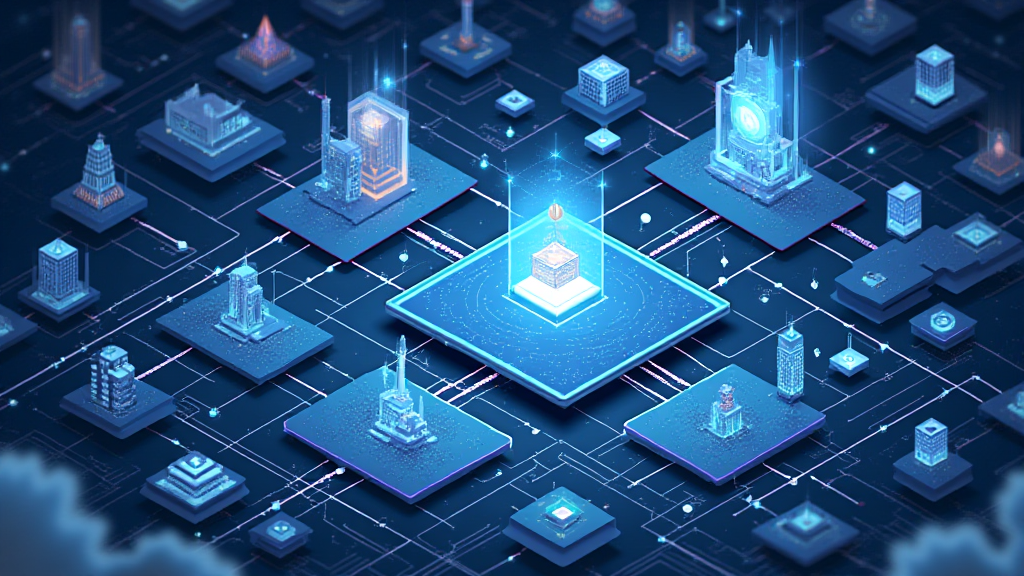
- Decentralization: Unlike traditional web services, Web3 eliminates intermediaries, enabling users to interact directly on the blockchain.
- Smart Contracts: These are self-executing contracts with terms directly written into code, reducing reliance on third parties.
- Tokenization: Digital assets can be tokenized, providing liquidity and new business models.
- Interoperability: Web3 solutions can communicate with each other, enhancing user experience and resource sharing.
- User Control: Web3 gives users ownership of their data and digital assets, addressing privacy concerns prevalent in Web 2.0.
The Impact of Blockchain on Web3
Blockchain, the underlying technology for Web3, offers a transparent and tamper-proof ledger for recording transactions. Here’s why blockchain is crucial for Web3:
- Security: Transactions recorded on a blockchain are cryptographically secured, significantly reducing fraud risks.
- Transparency: All transactions are visible to users, ensuring accountability.
- Immutability: Once a transaction is recorded, it cannot be altered, which adds another layer of trust.
In Vietnam, the blockchain industry is growing rapidly, with a projected user growth rate of 28% by 2025. This growth can largely be attributed to the increasing interest in cryptocurrency and decentralized applications (dApps) among the Vietnamese populace.
Applications of Web3 Technology
Web3 technology is versatile, impacting various sectors including:
Finance (DeFi)
Decentralized finance represents a significant use case for Web3. By offering peer-to-peer lending and borrowing, DeFi allows users to earn interest on their cryptocurrency holdings without the need for banks. For instance, platforms like Aave and Compound enable users to lend their tokens in exchange for interest.
Gaming
In the gaming industry, blockchain enables players to truly own their in-game assets. Games like Axie Infinity allow players to hold, trade, and monetize their assets, blurring the lines between play and profit.
Social Media
Web3 aims to reshape social media by allowing users to own their data and be compensated for their content. Platforms like Audius and Steemit empower creators and users, making social engagement more equitable.
Navigating the Challenges of Web3
Despite the optimism surrounding Web3, several challenges remain:
- Scalability: High transaction fees and slow processing times can hinder user adoption.
- Regulatory Challenges: As governments look to regulate cryptocurrencies, compliance remains a grey area.
- User Experience: Web3 applications can often be complex and daunting for new users.
How to Get Involved in Web3
As a user or developer, getting involved in Web3 can be an exciting journey. Here are some steps to consider:
- Learn about Blockchain and Cryptocurrency: Resources such as online courses and communities are abundant.
- Experiment with dApps: Explore decentralized applications to understand their functionalities.
- Invest Wisely: Research upcoming tokens and projects, such as the 2025 potential altcoin boom.
Also, understanding how to audit smart contracts is essential for anyone looking to engage in Web3 development. This ensures the security of transactions and applications, reinforcing user confidence.
Conclusion: Embracing the Future of the Internet
Web3 technology offers a promising future for the internet by empowering users, ensuring transparency, and reducing the concentration of power among a few entities. It paves the way for a more equitable and secure digital landscape. As more people engage with these technologies, the growth potential is immense.
Ultimately, embracing Web3 technology is not just about understanding the technology itself; it’s about recognizing the fundamental shift in how we interact, transact, and engage with the digital world. For nations like Vietnam, which is rapidly adopting these technologies, the next few years will be crucial in shaping the economic landscape.
Explore more about how Web3 can transform your digital life with bitcoin10000.
About the Author: Dr. Nguyen Hoang, a leading blockchain researcher, has published over 15 papers in the field and has led audits for notable DeFi projects, ensuring their security and compliance.


