


Global Crypto Regulatory Framework: Navigating the Future of Blockchain Compliance
As the digital currency market continues to expand, the global crypto regulatory framework has become an essential aspect of ensuring compliance and fostering innovation. In 2024, the cryptocurrency sector witnessed over $4.1 billion lost due to DeFi hacks, emphasizing the urgent need for robust regulatory measures.
In this article, we will dissect the evolving landscape of cryptocurrency regulations across the globe, focusing on how different regions approach this dynamic industry. This will not only highlight current regulatory trends but will also provide insights for stakeholders looking to navigate the complexities of this financial ecosystem.
Understanding the Global Regulatory Landscape
The regulatory landscape of cryptocurrencies varies significantly by country, reflecting differing attitudes towards innovation and risk management. For instance, countries like Singapore and Switzerland have established comprehensive frameworks that encourage blockchain innovation while ensuring investor protection. On the other hand, nations like China have imposed strict bans on cryptocurrency transactions, affecting the market dynamics significantly.
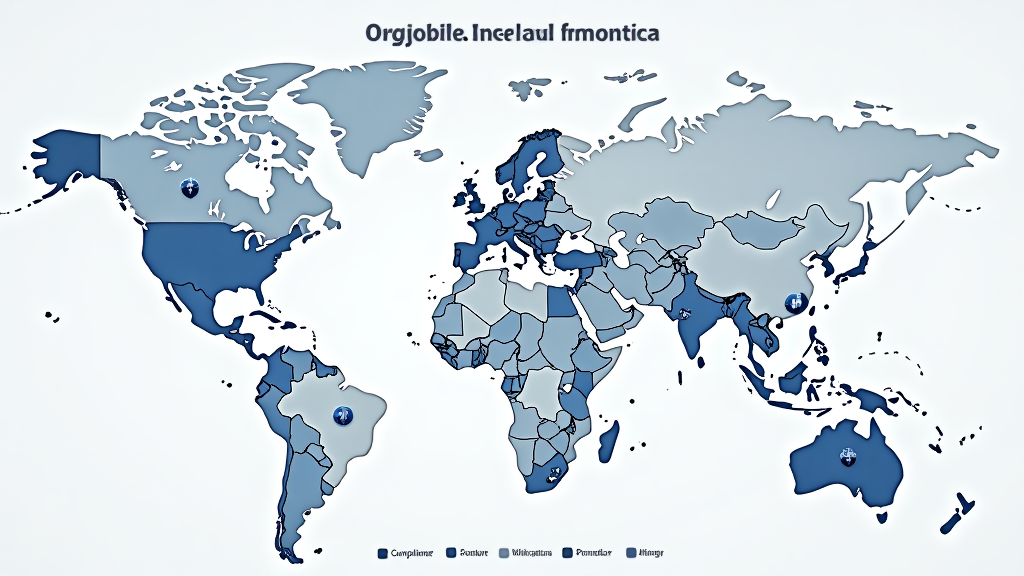
Key Factors Influencing Regulation
- Geopolitical Considerations: Different nations may implement regulations based on their economic strategy and political outlook.
- Consumer Protection: The primary goal of regulation is often to safeguard investors from fraud and malicious activities.
- Taxation Policies: Governments seek to implement tax frameworks that ensure the crypto economy contributes to public revenues.
Regional Approaches to Cryptocurrency Regulation
While the essence of regulation is similar—addressing concerns surrounding security, taxation, and consumer protection—regional approaches can vary dramatically.
North America
In the United States, the regulatory environment for cryptocurrency is evolving rapidly. Regulatory bodies such as the SEC and CFTC are establishing clearer guidelines for digital asset classification and trading practices. This growing clarity is crucial as it helps prevent fraud and enhances market stability. Within the Securities and Exchange Commission (SEC) framework, stablecoins and decentralized finance (DeFi) projects are under scrutiny, prompting many companies to seek compliance proactively.
Europe
Europe has been proactive in establishing the Markets in Crypto-Assets (MiCA) regulation, intended to create a comprehensive regulatory framework for digital assets across EU member states. This legislation aims to ensure security for users while promoting innovation within the blockchain space, exemplifying how regulation can foster growth rather than suffocate it.
Asia
Countries like Japan have taken a strategic approach, implementing licensing requirements for cryptocurrency exchanges and enforcing compliance with the Financial Services Agency (FSA). On the other hand, in countries like Vietnam, the authorities are grappling with how to regulate a rapidly growing user base and burgeoning market ([source](https://hibt.com)). As of 2024, the Vietnam cryptocurrency market reports a user growth rate of over 25%, leading to increasing calls for a robust regulatory framework.
Challenges in Crafting Policies
Creating a cohesive global crypto regulatory framework presents various challenges. Policymakers must strike a balance between fostering innovation and protecting investors.
- Technological Evolution: The rapid pace of technological changes makes it difficult for regulations to keep up.
- Jurisdictional Conflicts: Different countries may have conflicting regulations, leading to confusion in compliance.
- Risk of Stifling Innovation: Overregulation may deter startups and projects from entering the market.
Future Trends in Regulation
Looking ahead, various trends will likely shape the future of the global crypto regulatory framework:
- Cross-Border Collaboration: As cryptocurrencies operate globally, international cooperation will become essential for effective regulation.
- Increased Transparency: Regulators are expected to demand higher transparency from crypto projects, especially concerning consumer protection and anti-money laundering (AML) measures.
- Innovative Compliance Solutions: Expect a surge in compliance tools and platforms that help businesses meet regulatory demands efficiently.
Investing and Compliance: Best Practices for Stakeholders
As regulations evolve, it is vital for investors and crypto platforms to stay informed and comply with legal requirements. Here are some best practices:
- Stay Updated: Regularly follow regulatory news and updates from trusted sources. For instance, check out the latest updates at [hibt.com](https://hibt.com).
- Engage with Legal Experts: Consulting legal professionals who specialize in cryptocurrency can provide crucial insights and guidance.
- Adopt Compliance Tools: Implement compliance solutions that ensure adherence to regulations, thereby mitigating legal risks.
Conclusion
The global crypto regulatory framework is a constantly evolving landscape that requires stakeholders to adapt swiftly. By understanding the nuances of regional regulations and engaging with compliance proactively, investors can safeguard their interests while promoting the integrity of the cryptocurrency market.
As we advance towards 2025, staying engaged with regulatory updates, leveraging compliance technologies, and understanding the underlying trends will be paramount for success in the crypto space. This knowledge not only protects your investments but also contributes to the overall health and sustainability of the crypto ecosystem.
To navigate this intricate world effectively, platforms like bitcoin10000 offer crucial information and support. Remember, successful investment in crypto is not only about potential gains but also about understanding and adhering to the evolving regulatory landscape.
Author: Dr. Elizabeth Taylor, a leading blockchain compliance expert with over 20 published papers on cryptocurrency regulation and a contributor to major auditing projects.


