


Navigating Blockchain Scalability Solutions: Future-Proofing Digital Transactions
In the fast-paced world of blockchain and cryptocurrencies, the need for effective scalability solutions looms larger than ever. As per reports, more than 60% of blockchain network issues stem from scalability problems, impacting transaction speeds and network costs. These challenges are not just technological but extend to user experience, especially for markets like Vietnam, which boasts a growing user base of over 50 million cryptocurrency users as of 2023. With losses amounting to billions from inefficiencies and hacks, understanding scalable solutions becomes paramount.
This comprehensive guide delves into the blockchain scalability solutions, exploring different approaches, challenges, and opportunities presented by the evolving landscape of digital transactions.
The Significance of Scalability in Blockchain
At its core, scalability refers to a blockchain network’s ability to accommodate a growing workload. Picture a busy highway during rush hour; without effective lanes and management, traffic congestion is inevitable. Similarly, if blockchain networks can’t handle an increasing number of transactions, it can lead to delays and increased costs.
- Current Limitations: Most established networks can process only a limited number of transactions per second (TPS), creating bottlenecks.
- Impact on Costs: Higher transaction volumes often translate to inflated transaction fees, restricting access for average users.
- User Experience: Slow confirmation times degrade overall user satisfaction and trust.
Understanding Blockchain Scalability Solutions
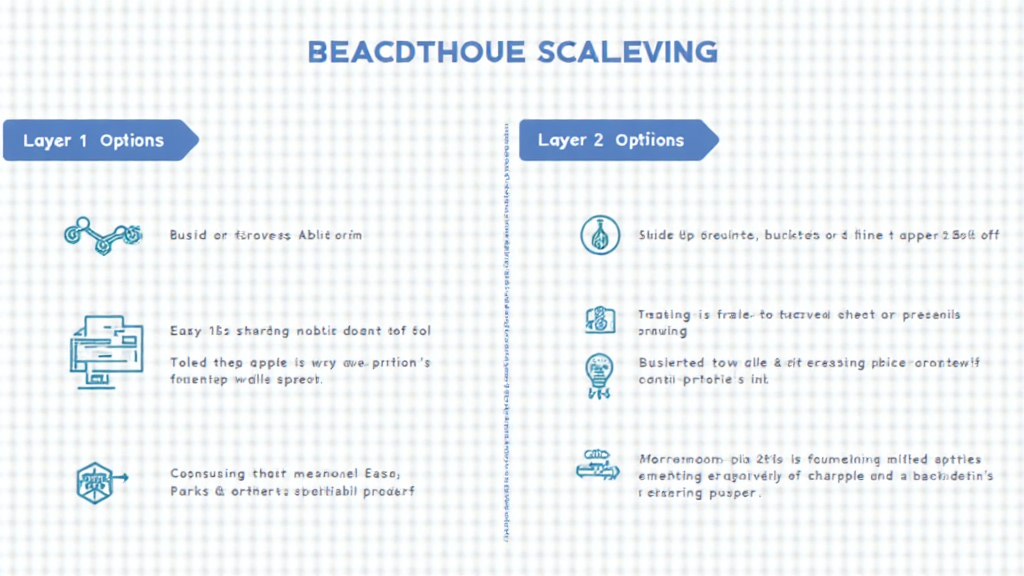
Given the challenges, various scalability solutions have emerged. Let’s explore a few prominent ones alongside their effectiveness:
1. Layer 1 Solutions
Layer 1 solutions involve changing the blockchain protocol itself, enhancing its fundamental capacity to process transactions. This can be as simple as increasing block sizes, such as done by Bitcoin Cash. Layer 1 innovations can create a more straightforward solution but might sacrifice decentralization.
2. Layer 2 Solutions
Layer 2 solutions, on the other hand, operate above the blockchain, taking some transaction workloads off the main chain:
- Examples include:
- Lightning Network: Enables fast transactions for Bitcoin without needing numerous confirmations.
- Raiden Network: Facilitates off-chain transactions for Ethereum, increasing throughput.
- Polygon (Matic): Aimed at Ethereum, it provides a framework for building and connecting Ethereum-compatible blockchain networks.
The Role of Sharding in Scalability
Sharding is a method employed to enhance scalability by splitting the entire blockchain network into smaller, more manageable pieces called shards. Each shard processes its transactions and smart contracts, allowing for parallel transaction processing. This significantly reduces the workload on any given node but raises complexity.
Real-World Example: Ethereum 2.0
Ethereum’s ongoing transition to Ethereum 2.0 showcases the implementation of sharding as a critical scalability solution. By segregating data, Ethereum aims to reach an astounding 100,000 TPS—a game changer for the decentralized financial ecosystem.
3. Consensus Mechanisms
Changes in consensus mechanisms can also improve scalability significantly. Traditional Proof of Work (PoW) mechanisms, although secure, are known for their energy consumption and slow transaction speeds. Alternatives like Proof of Stake (PoS) not only increase speed but also reduce resource expenditure by not requiring energy-intensive computing.
Regional Insights: Vietnam’s Growing Crypto Market
The Vietnamese market has experienced a remarkable 30% year-on-year growth in cryptocurrency adoption. This growth heightens the urgency for effective scalability solutions in the region, as users demand faster and more reliable transaction methods. Emerging projects like Tomochain have tailored solutions specifically for the Vietnamese ecosystem, underscore the significance of local innovation in scalability.
Challenges Ahead
While the solutions discussed offer promising pathways forward, challenges persist:
- Security Concerns: Increasing scalability can expose systems to attacks if not designed with security in mind.
- Decentralization Trade-offs: Protocol changes may compromise the very principles of decentralization.
- Integration Complexity: Layered systems can lead to complications in network maintenance and user adoption.
Conclusion
As the crypto landscape continues to evolve, addressing scalability is crucial to ensuring that blockchains can accommodate growing demands without sacrificing security, efficiency, or user experience. Solutions like Layer 2 systems, sharding, and innovative consensus mechanisms provide pathways toward a more efficient blockchain future. However, it’s vital for stakeholders, especially in rapidly growing markets like Vietnam, to remain vigilant about the challenges associated with these technologies.
Staying informed and involved in ongoing developments will be key to thriving in this transformative space. By focusing on robust blockchain scalability solutions, the digital asset sector can pave the way for broader adoption and application across various industries.
For a deeper dive into related topics, check out our Vietnam crypto tax guide for regulatory insights, or explore how to audit smart contracts.
Remember, this isn’t financial advice. Always consult local regulators before making any investment decisions.
At bitcoin10000, we are dedicated to exploring and implementing the latest innovations in blockchain technology, ensuring that users can navigate this exciting territory safely and efficiently.
Author: Dr. Emily Carter, a renowned blockchain researcher and consultant with over 50 publications in the field and an authority on smart contract audits.


