


Bitcoin Halving Impact: What to Expect in 2025
As we approach the next Bitcoin halving event, set to occur in 2024, many investors, developers, and cryptocurrency enthusiasts are pondering its potential impact. With Bitcoin’s market volatility and the historical significance of past halving events, understanding Bitcoin halving impact is critical for making informed decisions. According to estimates, Bitcoin’s supply will reduce every four years, leading to significant shifts in price and market dynamics that can potentially create opportunities for investors. In 2024, a peak market interest is anticipated as the cryptocurrency ecosystem in Vietnam is witnessing a surge, with user growth rates exceeding 30% annually.
The Mechanics of Bitcoin Halving
Let’s break it down. Bitcoin halving refers to the event whereby the reward for mining new blocks is cut in half, happening approximately every four years or after every 210,000 blocks mined. This ensures a controlled supply of Bitcoin, mirroring the scarcity of precious metals but in a digital context.
- In 2020, the block reward dropped from 12.5 BTC to 6.25 BTC.
- The next halving will halve the reward again to 3.125 BTC.
Historically, each halving has been correlated with significant price increases, yet it also leads to market uncertainty around the event. Investors often rush in and out of positions leading up to and immediately following a halving, leading to intense short-term volatility.
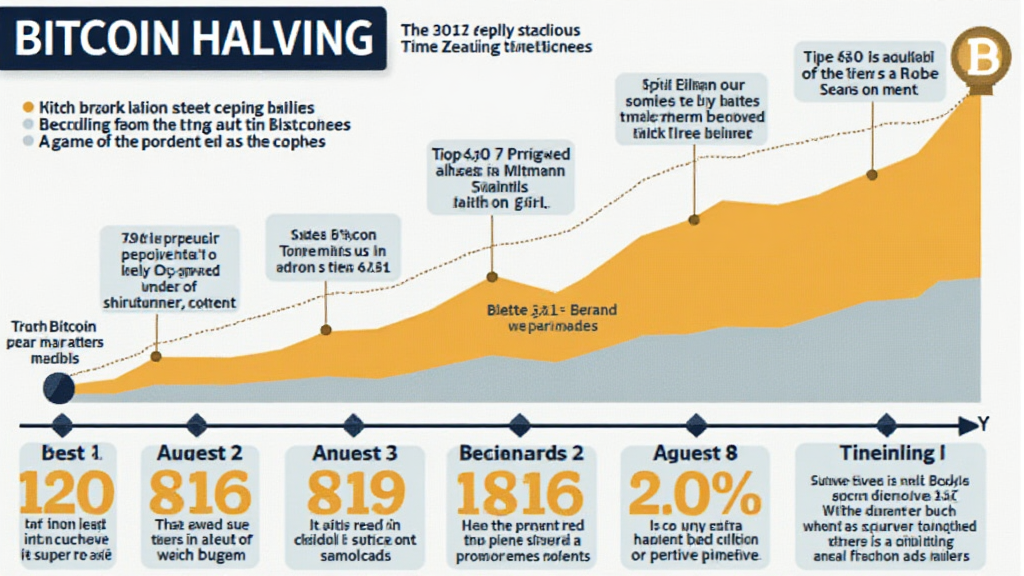
Analyzing Historical Data: Past Halvings
To better understand the potential impact of the upcoming halving, it helps to analyze data from previous occurrences. Following the 2012 halving, Bitcoin saw a price increase of about 8,000% within the subsequent year. Similarly, after the 2016 halving, Bitcoin’s price jumped from around $600 to nearly $20,000 in 2017.
While these figures are compelling, it’s important to keep in mind the circumstances surrounding each halving:
- Market maturity: In 2012, Bitcoin was still emerging as a viable investment.
- Increased awareness and adoption: By 2016, more investors were aware of Bitcoin as an asset.
- Technological advancements: Innovations in blockchain technology and infrastructure also played critical roles.
The price movements are not solely attributable to the halving itself. Market sentiment, regulatory changes, and macroeconomic factors also significantly contribute to price fluctuations.
The Impact on Miners
Another significant aspect to consider is the effect of Bitcoin halving impact on miners. With block rewards decreasing, miners must adapt their strategies. Here’s what to consider:
- Operational costs: Miners with higher costs may struggle to remain profitable.
- Increased competition: As rewards shrink, only those with the most efficient operations will likely continue mining.
- Market positioning: Miners may begin to sell off their holdings in anticipation of lower revenue.
This dynamic could lead to a temporary increase in Bitcoin supply on exchanges as miners adjust to the new economic landscape of reduced rewards.
Investment Strategies Post-Halving
As investors gear up for the next halving, some strategies could enhance their positioning:
- Dollar-Cost Averaging: Regularly invest a fixed amount rather than waiting for price dips.
- Long-term holding: Many analysts suggest buying and holding Bitcoin over the long term rather than trading in the short term.
- Research: Stay informed regarding market trends and regulatory changes, particularly within Vietnam and Southeast Asia, where cryptocurrency adoption is rapidly growing.
As the Vietnamese cryptocurrency market expands, aligning investment strategies with regional trends could provide an edge. For instance, a recent report indicated that Vietnam’s cryptocurrency user base grew by over 30% in 2023, reflecting a growing acceptance of digital assets among the general public.
Market Forecast and Future Predictions
As we endeavor to predict the post-halving market, historical patterns suggest bullish trends. According to a 2023 analysis from Chainalysis, the price of Bitcoin could potentially reach unprecedented levels as more institutional investors seek to capitalize on the reduced supply post-halving.
However, here’s the catch: the cryptocurrency market is notoriously unpredictable, meaning investor caution is advised. Regulatory developments also play a pivotal role in shaping market outlooks.
The Importance of Regulatory Awareness
Particularly in rapidly developing markets like Vietnam, understanding local regulations is crucial. Bitcoin halving impact can also be altered by government responses, especially regarding taxation and the legal status of cryptocurrencies. For example, the Vietnamese government has been exploring various measures to regulate cryptocurrencies effectively, which could influence trading and investment behaviors.
As you develop your strategy, consider local tax implications when investing in cryptocurrencies. A guide on cryptocurrency tax in Vietnam can provide clarity on responsibilities to ensure compliance.
Conclusion: Preparing for Change
The next Bitcoin halving is poised to bring significant changes to the cryptocurrency landscape, particularly for investors in Vietnam. Keeping a finger on the pulse of market dynamics, adapting investment strategies, and remaining aware of regulatory shifts can greatly enhance your potential for success.
With its history of driving market volatility and influencing price trajectories, the anticipation around Bitcoin’s halving continues to grow. As part of this journey, platforms like bitcoin10000 offer valuable resources, data, and community insights to help navigate these changing waters. Whether you’re a seasoned investor or a newcomer, adapting to these market shifts is key to seizing opportunities ahead.
As we look into 2025, staying informed holds the potential to maximize your investments in the evolving world of cryptocurrencies.
Author: Dr. Nguyen Minh, a blockchain analyst with over 20 published papers in decentralized finance, has led audits for several high-profile projects in Vietnam.


