


Proof of Stake vs Proof of Work: Understanding the Future of Blockchain
In the dynamic world of cryptocurrencies, with losses amounting to $4.1 billion due to DeFi hacks in 2024, understanding the underlying mechanisms that secure these digital assets is vital. Two prominent consensus mechanisms are Proof of Stake (PoS) and Proof of Work (PoW). Each plays a crucial role in validating transactions and ensuring the integrity of blockchain networks. As we approach 2025, the debate between PoS and PoW intensifies, especially in rapidly growing markets like Vietnam, where cryptocurrency adoption is skyrocketing.
The Basics of Proof of Work (PoW)
Proof of Work was initially popularized by Bitcoin and serves as the foundation for many cryptocurrencies. Here’s how it works:
- Mining: Miners use computational power to solve complex mathematical problems.
- Transaction Validation: Once a problem is solved, the miner validates transactions and adds a block to the blockchain.
- Rewards: Successful miners receive cryptocurrency rewards and transaction fees.
While PoW has proven secure, it is resource-intensive, leading to high energy consumption. According to a study by the Cambridge Centre for Alternative Finance, PoW networks consume more electricity than some countries.
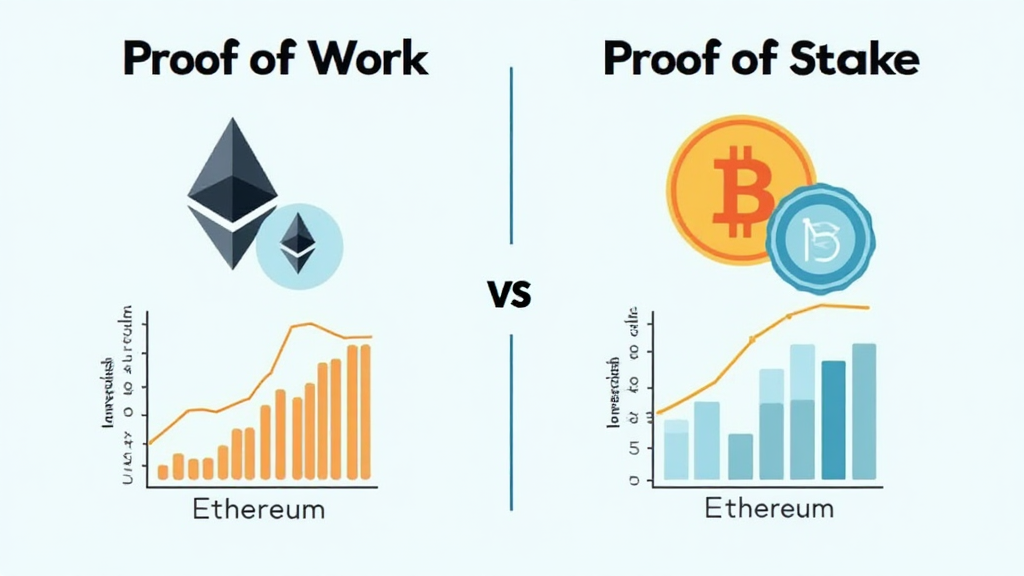
Environmental Impact of PoW
The environmental concerns surrounding Proof of Work have sparked debates and driven initiatives towards more sustainable practices. A notable example is the push for renewable energy solutions in mining.
The Rise of Proof of Stake (PoS)
Proof of Stake offers a different approach to transaction validation. Here are its key characteristics:
- Staking: Instead of miners, validators hold and lock up a certain amount of cryptocurrency (stake) as collateral.
- Transaction Validation: Validators are selected to create new blocks based on the amount of currency they hold and the length of time they have held it.
- Energy Efficiency: PoS drastically reduces energy consumption compared to PoW.
This mechanism has gained traction due to its lower resource requirements and its ability to maintain network security effectively. As a result, PoS is becoming the preferred consensus mechanism for many new blockchain projects.
The Growth of PoS in Vietnam
In Vietnam, the interest in cryptocurrency is robust, with recent figures indicating a 70% increase in users in the past year. This growing user base is increasingly favoring PoS cryptocurrencies, given their eco-friendlier attributes and potential for reduced transaction costs.
Comparing PoW and PoS
| Feature | Proof of Work | Proof of Stake |
|---|---|---|
| Energy Consumption | High | Low |
| Control | Mining hardware | Staking |
| Rewards | Block rewards + fees | Transaction fees |
| Initial Security | Dependent on computational power | Dependent on staked amount |
Consensus Mechanism Vulnerabilities
Each consensus mechanism faces its vulnerabilities:
- PoW Vulnerabilities: Susceptible to 51% attacks where a single entity controls the majority of mining hashrate.
- PoS Vulnerabilities: Risks include the ‘Nothing at Stake’ problem, where validators might vote on multiple blockchain histories, causing potential forks.
Conclusion: The Future Landscape
As we look towards 2025, it’s evident that the landscape of cryptocurrency will continue to evolve. With an increasing focus on sustainability, PoS will likely rise, particularly in markets like Vietnam, where environmental awareness and energy efficiency are paramount. The rise of decentralized finance and innovations in blockchain security will potentially redefine user preferences with regard to consensus mechanisms.
In the end, both Proof of Stake and Proof of Work have their unique advantages and challenges. Understanding these differences is crucial for investors, developers, and users alike. Whether you prefer the traditional mining-based approach of PoW or the more modern, energy-efficient staking method of PoS, one thing is clear: the future of blockchain technology is bright and full of opportunities.
For further reading on blockchain security and consensus mechanisms, be sure to check out hibt.com.
Disclaimer: This article is not financial advice. Always consult local regulations when dealing with cryptocurrencies.
Written by Dr. Alex Nguyen, a blockchain expert with over 15 published papers and who’s led audits for notable projects in the cryptocurrency space.


