


Introduction
With over $4.1 billion lost to DeFi hacks in 2024, the decentralized finance landscape is gaining attention, prompting many to ask: What is decentralized finance, and how is it revolutionizing traditional finance?
This article aims to shed light on decentralized finance (DeFi), demystifying its complexities while providing insights into its potential benefits and risks. From understanding the mechanics of smart contracts to exploring the popularity of DeFi in emerging markets like Vietnam, we cover everything you need to know.
What is Decentralized Finance?
Decentralized finance, or DeFi, refers to a network of financial applications built on blockchain technology that operates without intermediaries like banks and brokers. Instead, DeFi leverages smart contracts, which are self-executing agreements coded into the blockchain. These contracts facilitate transactions and other financial activities securely and transparently.
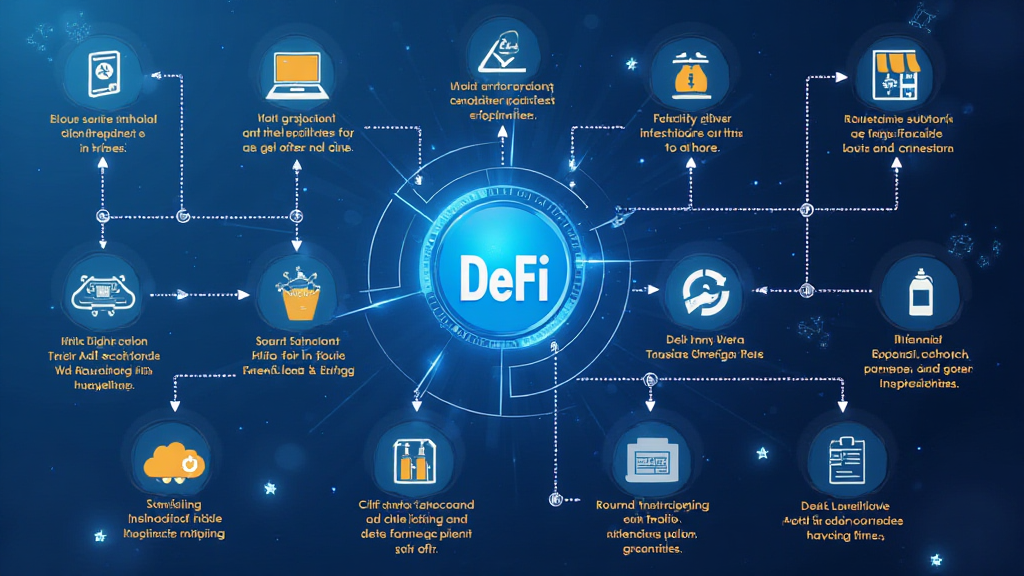
The Mechanism Behind DeFi
To put it in simple terms, think of DeFi as a digital bank that works around the clock without human oversight. Here’s how it works:
- Smart Contracts: Automated scripts that execute transactions based on predefined conditions.
- Liquidity Pools: Users contribute funds to a pool to provide liquidity for others, earning rewards in return.
- Decentralized Exchanges (DEXs): Platforms that enable users to trade cryptocurrencies peer-to-peer, removing the need for a central authority.
The Rise of DeFi in Vietnam
Vietnam is witnessing rapid growth in DeFi adoption, with an annual user growth rate of 120% in 2023. This uptake reflects a broader crypto enthusiasm fueled by a young population eager to explore innovative financial solutions.
One of the driving forces behind this trend is the search for financial inclusion. Many Vietnamese citizens lack access to traditional banking services. DeFi offers an alternative, enabling individuals to engage in lending, borrowing, and trading without geographical barriers.
The Benefits of DeFi for Vietnamese Users
- Accessibility: DeFi platforms are available to anyone with an internet connection, circumventing traditional bank limitations.
- Potential for Higher Returns: By participating in liquidity pools and yield farming, users can earn significantly higher interest rates than standard savings accounts.
- Financial Sovereignty: Users have complete control over their funds, eliminating the need to trust a central authority.
Risks Associated with DeFi
Despite its promise, DeFi is not without risks. Understanding these risks is crucial for anyone considering participating in this space.
Common Risks
- Smart Contract Vulnerabilities: Bugs in the code can lead to hacks and loss of funds. For instance, the 2024 hack on a popular DeFi platform resulted in significant losses due to a flaw in a smart contract.
- Market Volatility: Cryptocurrency values can fluctuate dramatically, impacting assets locked in DeFi protocols.
- Regulatory Uncertainty: As governments scramble to understand and regulate the DeFi space, users face the risk of sudden changes in legal status.
How to Safeguard Your Investments in DeFi
Before diving into DeFi, consider these investment tips for mitigating risks:
- Research Thoroughly: Always understand the platform you are investing in. Read audits and learn about the developers behind the project.
- Use Hardware Wallets: Storing your cryptocurrencies in a hardware wallet like the Ledger Nano X reduces the risk of hacks by up to 70%.
- Diversify: Never invest all your funds into one platform or asset; spreading your investments can reduce overall risk.
The Future of Decentralized Finance
Looking ahead, the future of DeFi appears promising. In 2025, we anticipate substantial growth within this sector, driven by technological advancements and more user-friendly interfaces. Additionally, interactions between DeFi and traditional finance are likely to increase, creating new opportunities.
Regulatory Outlook
As the DeFi space evolves, regulatory frameworks will become crucial. Countries like Vietnam are working to establish clear guidelines, fostering a safer environment for users while encouraging innovation.
According to Chainalysis, as of 2025, the DeFi market is projected to reach $200 billion—a testament to its growing importance in the financial ecosystem.
Conclusion
Decentralized finance represents a revolutionary shift in how people access financial services. With tools that promote financial freedom and inclusivity, DeFi is set to redefine the financial landscape globally and in specific regions like Vietnam.
However, as the world embraces this new financial paradigm, users must remain cautious and stay informed about the inherent risks. Understanding DeFi’s mechanics and participating wisely can yield remarkable opportunities.
Ultimately, decentralized finance is a thrilling journey into the future of finance—one that Bitcoin10000 is excited to explore with you. For further insights and resources, explore our platform.
Author Information
Dr. Alex Tran is a blockchain innovator with over 15 published papers in the field, and has led notable smart contract audits within renowned projects. With a deep understanding of DeFi and its implications, Alex continues to educate others about cryptocurrency trends and technologies.


