


Blockchain Adoption in the ASEAN Region: Opportunities and Challenges
With a surge in interest and investment in blockchain technology, the ASEAN region is poised to be at the forefront of this digital revolution. According to a recent report, the blockchain market in Southeast Asia is expected to grow from $400 million in 2020 to over $3 billion by 2025. In this article, we will explore the drivers behind blockchain adoption in this region and what it means for investors and businesses alike.
The Current State of Blockchain in ASEAN
Blockchain technology has gained traction across various sectors in the ASEAN region, including finance, supply chain, and healthcare. Countries like Singapore, Malaysia, and Vietnam are leading the charge, implementing innovative solutions and regulatory frameworks to foster blockchain growth.
- Singapore: Known as a fintech hub, Singapore’s government has been proactive in promoting blockchain technology by establishing the Monetary Authority of Singapore (MAS) regulatory sandbox, facilitating fintech startups.
- Vietnam: With a blockchain user growth rate of over 45% year-on-year, Vietnam is becoming an attractive market for blockchain solutions.
- Malaysia: The Malaysian Digital Economy Corporation (MDEC) is actively supporting blockchain initiatives that aim to enhance the country’s digital economy.
Key Drivers of Blockchain Adoption
Several factors are propelling the rise of blockchain technology in the ASEAN region:
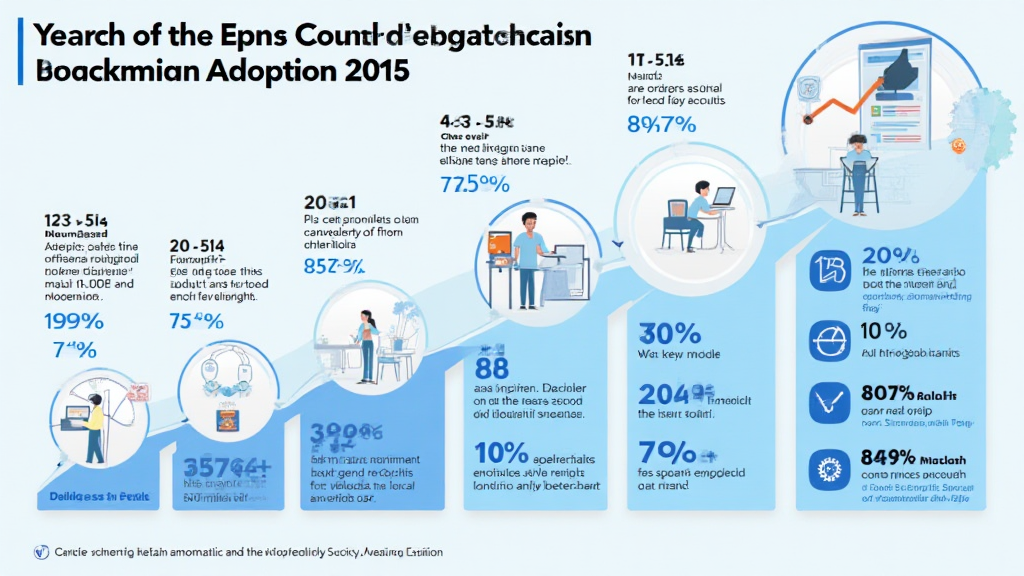
- Increased Investment: Venture capital and government funding are flooding into the blockchain space, with over $1 billion invested in blockchain startups across ASEAN in 2021 alone.
- Enhanced Security: As cyber threats grow, blockchain’s inherent security features offer a robust solution for securing data.
- Compliance and Regulation: Governments are establishing clear regulatory frameworks to encourage innovation while ensuring consumer protection.
Challenges to Overcome
Despite the promising growth, the adoption of blockchain technology in the ASEAN region faces several challenges:
- Lack of Awareness: Many businesses are still unfamiliar with blockchain technology and its potential benefits, limiting adoption.
- Regulatory Hurdles: Disparate regulations across countries create confusion and may hinder cross-border blockchain initiatives.
- Interoperability Issues: Different blockchain systems often struggle to communicate with each other, which can diminish the technology’s effectiveness.
Case Studies of Successful Blockchain Implementation
Several projects in the ASEAN region showcase the potential of blockchain technology:
- VeChain in Vietnam: A logistics platform that uses blockchain to enhance supply chain transparency, resulting in better product traceability.
- SingLife in Singapore: A digital insurance platform leveraging blockchain to streamline operations and improve customer experience.
Future Predictions and Market Potential
The cryptocurrency landscape is continuously evolving, and with blockchain technologies gaining acceptance, we can anticipate:
- Broader Adoption Among SMEs: Small and medium enterprises are anticipated to embrace blockchain for improving efficiency and reducing costs.
- Innovative Use Cases: New applications, such as decentralized finance (DeFi) and non-fungible tokens (NFTs), are on the rise.
By 2025, the ASEAN blockchain market could surpass $5 billion, driven by growing consumer awareness, advancements in technology, and supportive government policies.
Conclusion
The adoption of blockchain technology in the ASEAN region presents a wealth of opportunities and challenges that stakeholders must navigate. With the right strategies and collaboration, blockchain can significantly transform industries and create a more resilient digital economy.
For more insights about blockchain security standards and practices, feel free to visit hibt.com. Remember, investing in blockchain comes with risks; consult with local regulatory authorities.


