


Cold Wallet vs Hot Wallet: What You Need to Know
In 2024, a staggering $4.1 billion was lost to decentralized finance (DeFi) hacks. This raises an essential question for cryptocurrency investors: How can you protect your assets effectively? With the proliferation of hacking incidents, understanding the differences between cold wallets and hot wallets is crucial. In this article, we will explore each type critically and determine which is best for various scenarios.
Understanding Hot Wallets
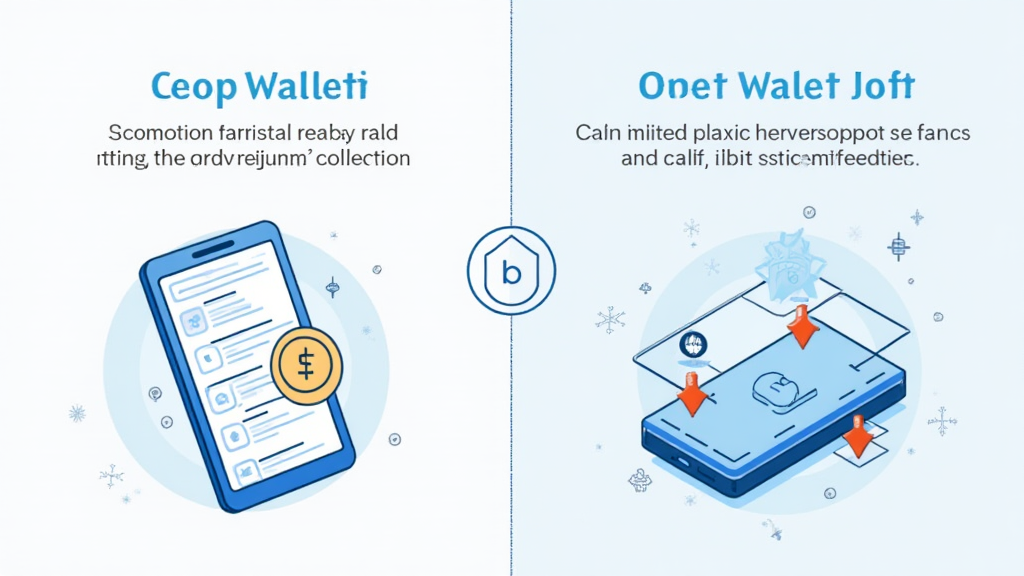
A hot wallet refers to any cryptocurrency wallet that is connected to the internet. This includes mobile apps, desktop wallets, and web-based wallets.
- Advantages:
- Convenience: Hot wallets offer easy and quick access to your funds, making them ideal for frequent traders.
- User-Friendly: Most hot wallets come equipped with intuitive interfaces that are perfect for beginners.
- Quick Transactions: With hot wallets, funds can be transferred almost instantly.
- Disadvantages:
- Security Risks: Being constantly connected to the internet makes hot wallets vulnerable to phishing attacks and hacking attempts.
- Less Control: Users rely on the service provider for security measures and updates.
Common Types of Hot Wallets
- Mobile Wallets: These apps allow you to manage your cryptocurrency on the go.
- Desktop Wallets: Programs installed on your computer offer more features, but still carry risks.
- Web Wallets: Accessible via a web browser but often the least secure option.
Understanding Cold Wallets
In contrast, cold wallets are not connected to the internet, making them less susceptible to attacks.
- Advantages:
- Enhanced Security: By keeping your private keys offline, cold wallets minimize exposure to online threats.
- Full Control: Users have complete ownership of their private keys, which are paramount for transactions.
- Ideal for Storage: Perfect for those who don’t plan to trade frequently and want to store assets long term.
- Disadvantages:
- Less Convenient: It’s not as easy to conduct transactions as with hot wallets.
- Risk of Loss: Physical damage or loss of the device can mean complete loss of funds unless backup measures are implemented.
Common Types of Cold Wallets
- Hardware Wallets: Devices like Ledger Nano X and Trezor are popular choices for cold storage.
According to a recent report, using a hardware wallet can reduce the risk of hacks by an impressive 70%.
- Paper Wallets: These are physical documents containing your public and private keys and are generated offline.
Which Wallet is Right for You?
The choice between hot and cold wallets primarily depends on your individual needs:
- If you are a trader who frequently buys and sells cryptocurrencies, a hot wallet may be more suitable for quick transactions.
- If you’re a HODLer who plans to hold cryptocurrencies for long periods, a cold wallet offers enhanced security for your assets.
Real-World Scenarios
Consider this analogy: Imagine a bank where you keep some cash handy for daily expenses (hot wallet) and also have a safe (cold wallet) to store your valuables.
In Vietnam, the cryptocurrency user growth rate was around 50% this year, indicating that many are stepping into the world of digital assets. However, ensuring the security of these assets is critical. Between cold wallet and hot wallet, which one better serves Vietnamese users wanting to protect their investments?
Conclusion
Understanding the differences between cold wallets and hot wallets is vital for anyone looking to engage in cryptocurrency investment securely. Each has its pros and cons, and the decision boils down to your trading style and security concerns. If you’re looking for utmost security, choose a cold wallet; if accessibility is your priority, a hot wallet may be the way to go.
As you secure your digital future, remember that the safety of your assets is in your hands. Always prioritize security and remain informed about the latest trends in cryptocurrency protection.
bitcoin10000 offers resources to help you navigate the crypto landscape securely.
Expert Authored by: Dr. Johnathan Mercer, a recognized authority in blockchain security with over 15 publications in the field and audit lead for renowned projects.


